No Step, No Fuss: A Garden Firework Night That Rolls, Walks and Waits in Comfort
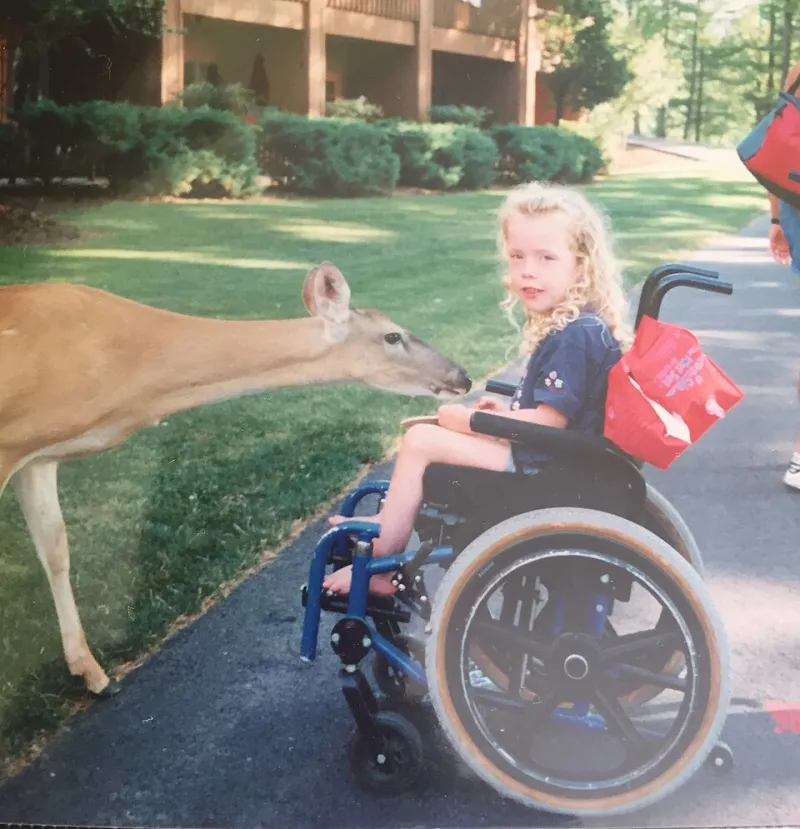
Photo: Wikiwheels93, CC BY-SA 4.0, via Wikimedia Commons
Firework night has a habit of being designed for the people who can hop over the hosepipe, stand on a slightly damp lawn and lean against a fence for half an hour. That is not everyone. If you are hosting in 2026 and someone on your guest list uses a wheelchair, a mobility scooter, crutches or a walking stick, or simply cannot stand for long, a bit of thought before the first rocket makes the whole evening better. Not more clinical. Just easier.
The aim is not to build a hospital corridor in the back garden. It is to make sure the route in is clear, the viewing spot works, the lights do not blind anyone and the tea is not stranded on a table nobody can reach. Big bangs, safe celebrations, and no one left wondering whether they should have stayed home.
Start with the route, not the rockets
Before you fuss over which cake goes first, walk the route from the front gate to the viewing area in daylight. Take the same path a guest would take: through the side gate, across the patio, down the garden. Look for the boring things that become annoying in the dark. Loose gravel. A step disguised by a mat. A hosepipe curled like a tripwire. A wheelbarrow that has lived by the shed since Easter.
For a wheelchair or scooter, firm and level is the goal. Patio slabs are usually fine. A soft lawn after a wet November week is not. If the only route crosses grass, lay down broad boards or a temporary path that will not shift under a wheel. Do not use loose bark chips or a thin sheet that curls at the edges. And keep the route well away from the firing area, not just because of wheels but because everyone needs a safe distance from the fireworks.
Check the safety distances on the box and stick to them. A garden firework night is not the moment to squeeze the crowd closer for a better view. The view is better when everyone is safely back.
Give people more than one place to watch
One accessible viewing spot at the far end of the patio is better than nothing, but it is not a plan. People have different needs. Someone may want to sit in their wheelchair. Someone else may prefer a firm garden chair with arms. Another guest may want to stand for the first few minutes and then retreat indoors. Give them choices.
Set up two or three viewing zones: a level patio area, a firm lawn spot with a clear sightline, and an indoor window position for anyone who needs warmth or a quick exit. Make sure the view is not blocked by the shed, a hedge, a marquee or a row of tall people who have all chosen the same spot. If the wind is pushing smoke across one area, the best seat in the garden can become the worst one. Have a backup.
Think about the angle too. Fireworks are mostly up, so a seated guest may need to be a little further back to see the full height without craning. Test it in daylight: sit down, look up, see what is in the way. A quick rehearsal now beats a lot of neck ache later.
Light the path, not the eyes
Outdoor lighting is where good intentions often go wrong. A bright security light aimed at the seating area will dazzle everyone and ruin the show. A single torch waved about by a helper is not much better. You want low, warm, steady light on the ground: fairy lights along a fence, a couple of small lanterns, a torch placed to point at the path rather than at faces.
Keep cables out of the route. If a lead has to cross a path, use a proper cable ramp or tape it down securely. Do not rely on a tea towel and hope. And keep the lighting away from the fireworks themselves. You need to see where you are walking, not illuminate the launch area like a stadium.
Put refreshments where people can actually reach them
A drinks table at the back of the patio is no good if the route to it is crowded or the surface is too high. Set up at least one refreshment point at a comfortable height for a seated guest, with a clear approach. Keep hot drinks at the far end of the table, away from the edge, and make sure there is a stable spot to put a cup down. If someone is using both hands for a wheelchair, they cannot also balance a mug and a slice of parkin.
Think about the little things: a bin within reach, napkins, a flask that is not too heavy to lift, cold drinks at a lower height. If you are offering food, avoid anything that requires a knife and fork while balancing a plate on a lap. Hand food is your friend. And if the garden is muddy, a mat at the door is not a luxury; it is basic crowd control.
Do not forget the loo. If your only accessible route to the house involves a step or a narrow hallway, say so in advance and offer a sensible plan. Guests would rather know than discover it halfway through the evening.
Brief helpers quietly, not like a public announcement
This is the bit that separates a thoughtful host from a fussy one. Ask your guest privately, before the night, what would make things easier. Do they want help with the path? Do they prefer to be left to find their own spot? Would they like a chair moved, or would they rather choose it themselves? Then share only what helpers need to know, and share it discreetly.
A short huddle in the kitchen is fine. 'The route round the side is the firm one, the patio table is for sitting, and please do not move anyone's chair without asking' is useful. What is not useful is a loud briefing at the gate that makes one guest feel like the evening's safety exhibit. Help should be available, not hovering. The best offer is usually a simple 'Give me a shout if you need anything' rather than a running commentary on every wheel and walking stick.
A few firework basics that still apply
Accessibility does not replace firework safety; it sits alongside it. Use garden fireworks suitable for the space, follow the safety distances, keep spectators behind the firing line, and never go back to a firework that has not gone off. Keep a bucket of water handy, light fireworks at arm's length with a proper lighter or portfire, and store them safely before the display. If you have pets or livestock nearby, plan for them too. A calm, well-briefed garden is safer for everyone, wheels or no wheels.
The five-minute daylight rehearsal
On the day, do a quick walk-through before dusk. Take the route with a helper. Sit in the viewing spots. Check the path for new obstacles. Make sure the lights are doing their job without glaring. Put a couple of chairs out and see whether they block the route. Then leave it alone.
The point of all this is not to turn your bonfire party into a risk assessment with sausage rolls. It is to make the evening feel normal. A clear path, a choice of seats, a cup of tea within reach and a host who has thought about it quietly in advance. That is how a garden display becomes a proper celebration for everyone in it. No step, no fuss, and a very good view of the sky.