Hands Up for the Sky: A Deaf-Friendly Garden Firework Night Everyone Can Follow
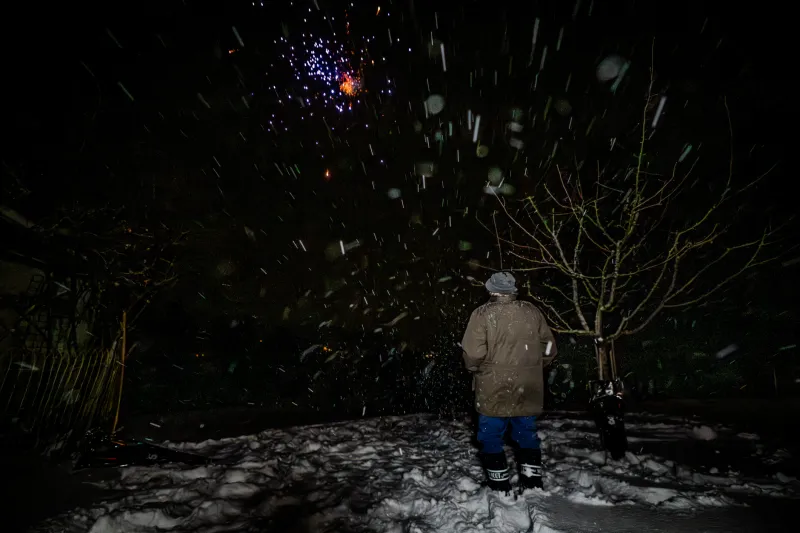
You do not need to shout to host a brilliant firework night. In fact, the best Deaf-friendly displays tend to be the calmest, best-organised ones: clear sightlines, a proper plan, and a group that knows what is happening next without relying on a bellowed countdown. At Fawkingood Fireworks we are all for big bangs and safe celebrations, but big bangs are not the only way to make a night feel huge. If you are planning a garden show in 2026, here is how to keep the wow factor while making sure Deaf and hard-of-hearing guests are in on every spark.
Ask First, Assume Later
Start with a quick message rather than a grand plan. Ask your guests what makes a firework night work for them. Some Deaf people will want to sit close enough to feel the vibration through the ground; others will prefer a clear view from further back. Some will lip-read in the garden light; others will use British Sign Language and may want a friend or interpreter nearby. None of this is awkward — it is just good hosting.
A simple group chat is your friend. Share the rough running order, the safety line, and the fact that there will be visual signals. If children are coming, tell parents what to expect too. A little information in advance removes a lot of guesswork on the night.
Choose Fireworks That Show Off Without Shouting
Low-noise fireworks are not silent, and that is fine. The point is to reduce the sudden, chest-thumping salutes that can be uncomfortable for Deaf guests with hearing aids or cochlear implants, as well as for babies, pets and neighbours. Look for low-noise cakes, fountains, wheels and colour-changing mines. A good retailer can point you towards garden-friendly items that still give you a proper finish.
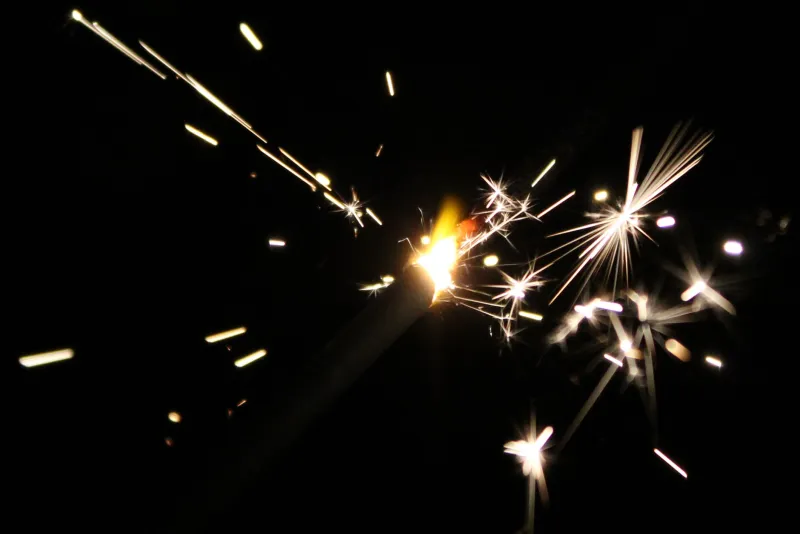
For a garden display, stick to consumer fireworks suitable for domestic use and follow the label. Avoid the biggest salute cakes and repeated bangers if your aim is a more inclusive show. A mixed box with a few colourful pieces and one strong finale can feel more generous than a non-stop barrage. If younger guests are about, consider glow sticks as a safer, simpler alternative to sparklers — and if you do use sparklers, keep them in gloved hands, one at a time, with a bucket of water nearby.
Set the Garden Up for Eyes, Not Ears
Sightlines matter more than ever. Arrange chairs in a shallow arc rather than a deep row, so nobody is craning past a tall guest. Keep the display in front of the audience and respect the safety distances on the products. A firing area that is easy to see is also easier to keep clear.
Light the path, not the audience. A few solar lights or a soft torch will help people move around without dazzling anyone who is lip-reading. Keep faces softly lit where possible, and avoid placing bright lights behind the person giving instructions. Check the wind direction too; smoke drifting across the garden can ruin the view for everyone, especially guests who rely on seeing the display rather than hearing it.
Build a Visual Countdown
A countdown should be something you can see, not just hear. Agree a few simple signals before the first fuse. For example: torch raised means two minutes to go; torch dipped means one minute; a flat hand means stand behind the line; a thumbs-up means ready. The person lighting the fireworks can wear a head torch and give a quick double flash before the first piece.
You can also use phone torch pulses, a small whiteboard, or laminated cards. The exact system matters less than agreeing it in advance. Do not rely on a whistle or a shout that disappears into the dark. A visual countdown gives Deaf and hard-of-hearing guests the same build-up as everyone else — and it makes the whole show feel sharper.
The Briefing That Does Not Need a Megaphone
Gather everyone before the first rocket. Hand out a one-page brief with simple text and a couple of diagrams: where the safety line is, who is in charge, where the water bucket is, and what to do if a firework misfires. Keep it plain. Ask if anyone would like the key points signed, and face people when you speak.
Nominate a visual marshal — someone whose job is to catch eyes and repeat signals, not to boss people about. Agree a stop signal, such as a torch waved overhead, which means stand still and let the operator deal with it. Put the same information in the group chat so it is there to re-read. This is not over-organising; it is the difference between a calm night and a lot of hopeful gesturing.
Keep Safety a Shared Language
Fireworks are brilliant, but they are not casual. Follow the instructions on every product, keep spectators behind the line, never return to a firework that has failed to go off, and keep a bucket of water and a bucket of sand to hand. Light at arm's length with a taper, secure cakes so they cannot tip, and keep the person lighting the fireworks sober and focused.
For Deaf guests, make safety visual. Do not assume someone heard the stand-back warning. Point to the line, show the stop signal, and check that children know where to stand. Keep pets indoors, warn neighbours, and check your local council rules on garden fireworks and noise. After the show, leave debris until morning, then clear it with gloves and soak anything that did not burn properly.
UK Dates and Local Ideas
Bonfire Night is the obvious one, but it is not the only date that suits a garden display. A small New Year's Eve show, a birthday, a Diwali gathering or a village hall fundraiser can all work beautifully with a quieter, more visual approach. If you are hosting on a school night, a short low-noise show and a hot chocolate finish may be kinder than a full barrage.
A Deaf-friendly night is not about removing the fun. It is about choosing the right fireworks, setting up the garden so everyone can see, and agreeing signals that make the evening easy to follow. Big bangs, safe celebrations — and a night where nobody has to guess what happens next. That is a display worth raising a torch for.