Brave Ears, Bright Skies: A 2026 Firework Prep Talk for Little Ones
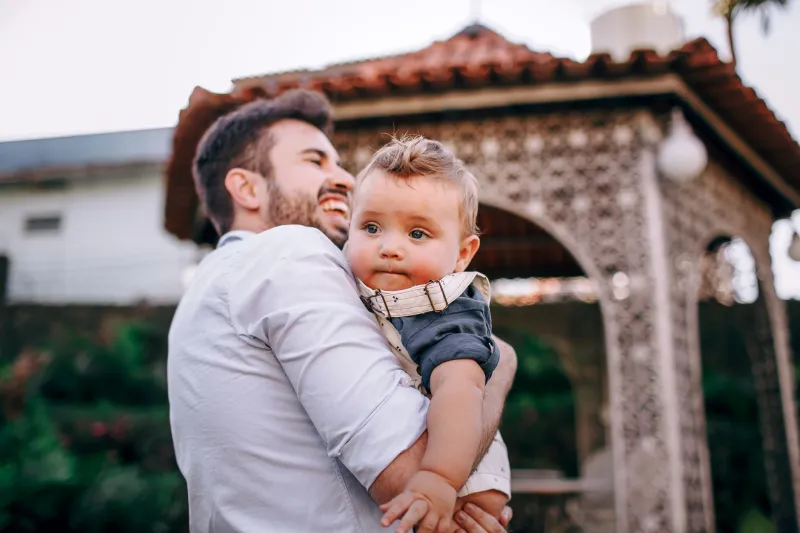
Firework night with children is a balancing act. You want them to feel the thrill of the first crackle and the big colours overhead, but you also want them to stay behind the line, keep their hands to themselves and come to you if the noise gets too much. The trick isn't a stern lecture five minutes before the first rocket. It's a short, calm conversation earlier in the day, when the sky is still light and nobody is juggling a lighter and a hot chocolate.
Here at Fawkingood Fireworks, we're all for big bangs and safe celebrations. That starts with how we talk to the smallest people in the garden.
Start With Wonder, Not Warnings
Children pick up on tone long before they understand the words. If your first sentence is 'don't touch anything or you'll get hurt', you've framed the whole evening as a danger zone. Try opening with what they're going to see instead.
' Tonight we're going to watch colours go up into the sky and hear some big bangs. We'll do it from our safe spot, and the grown-ups will do the lighting. Your job is to spot the best colour and tell me.'
That gives them a role. A job. Something to do that isn't 'stand still and be quiet'. When children feel part of the plan, they're far more likely to stick to it.
The Three House Rules, in Kid Speak
Keep the rules to three. Under-fives can hold three in their heads. Older children can explain them back to you, which is a good test of whether the message has landed.
- We stay behind the line. Make the line visible. A rope, a row of chairs, a chalk line on the patio. Point to it in daylight so it isn't a mystery in the dark.
- Only grown-ups touch. That includes sparklers, lighters, the box, the bucket and anything that looks exciting and shiny.
- If you feel wobbly, come to me. No shame, no fuss. We'll move further back, put on ear defenders or go inside for a bit.
Rehearse them once at lunchtime. Not in the dark, not with the first rocket already hissing.
Distance, Noise and Ear Defenders
Explain distance in kid terms. 'Fireworks need room to do their thing. We watch from the patio; they dance at the end of the garden.' Don't promise silence. Say: 'There will be big bangs. Some are quick, some rumble. You can wear your ear defenders if you want.'
Let them choose the ear defenders, or decorate them, or test them during the day with a favourite song or the hoover. For babies and toddlers, keep them indoors or at the back window with a trusted adult. The show can be watched through glass, with a torch, a blanket and a snack. For six to nine-year-olds, hand them a job: colour spotter, photo helper, chief hot chocolate stirrer. For ten and up, explain the safety line and the 'no going back for anything' rule. If a hat blows off or a glove drops, it waits until the display is over.
If the Fear Creeps In
Don't argue with fear. Say: 'It's okay to feel jumpy. The bangs are far away and we're safe here.' Offer choices rather than pressure: watch from indoors, use ear defenders, sit on a lap, hold a torch. Have a quiet corner ready inside with a lamp and a book. If a child wants to leave, leave. A firework display is not a test of bravery.
Avoid saying 'big boys don't cry' or 'it's not scary'. Instead try: 'Lots of people jump at the first bang. I do too. Then we laugh and watch the next one.' That normalises the feeling without making it a big deal.
Sparklers: The Grown-Up Job
Sparklers feel like the kid bit, but they're hot. Explain simply: 'Sparklers are for grown-up hands in our house.' If you do let older children hold one, do it one at a time, glove on, arm's length, bucket of water nearby, and absolutely no running. For little ones, offer a glow stick instead. Same magic, zero burn risk.
A Little Rehearsal Goes a Long Way
Earlier in the day, walk the garden. Point out the safe line, the bucket, the watching spot. Let them help set out blankets or torches. Practise the 'stop' signal: your hand up, their hand up. Make it a game. Then when it's dark and loud, the routine feels familiar rather than frightening.
The Hot Chocolate Debrief
Afterwards, chat. 'Which one made you jump? Which was your favourite colour?' Praise them for following the rules. If something went wrong, keep it light. 'Next time we'll stand further back.' The goal is a child who knows fireworks are brilliant and that grown-ups keep the sharp bits.
Firework night should be a memory of oohs and aahs, not a lesson in anxiety. A five-minute chat, a visible line, a pair of ear defenders and a hot chocolate can do more than a hundred warnings. Big bangs, safe celebrations, and small hands that know exactly where to stay.