Curb Your Enthusiasm: Why the Street Is Not Your Firework Stage in 2026
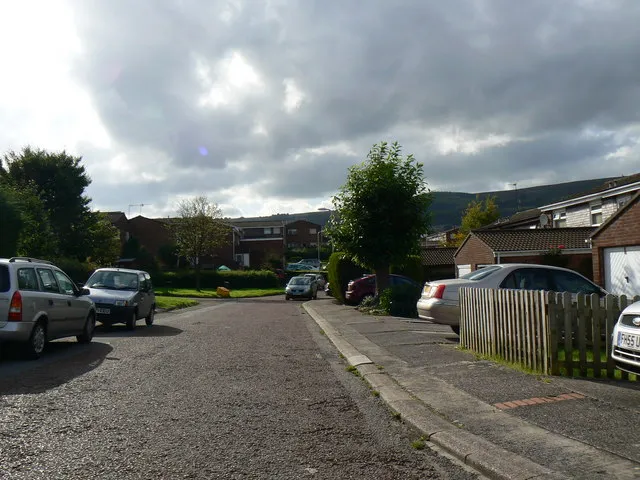
Photo: Colin Madge, CC BY-SA 2.0, via Wikimedia Commons
There is a particular temptation on a cold November evening. The garden feels tight, the pavement looks empty, and the wheelie bins have been dragged out of the way. Why not light one little cake by the kerb? Because the pavement is not a launchpad. It is a route home, a buggy lane, a dog-walking track and, on the wrong night, the place where someone else's ordinary evening is about to be interrupted.
At Fawkingood Fireworks we are all for big bangs and safe celebrations. But there is a difference between a display that makes the close look up and one that makes the close wince. The street sits firmly in the second camp.
The close is a shared room
A residential street is not a blank canvas. It is a shared room with walls made of parked cars, hedges, wheelie bins and front-room windows. The bit that looks like empty tarmac is usually a footway, a turning space, a delivery route or all three. Council grass, verges and alleyways belong to someone, even when they look unloved. They are not an overflow venue for a firework that did not quite fit in the garden.
Permission matters. If you rent, check your lease. If you live in a flat or a shared building, check with the landlord or managing agent. If you are eyeing up a patch of public land, check with the council. A quiet corner on a Sunday evening is not the same as permission.
Launchpad logic versus fallout logic
Fireworks are not just about the moment of ignition. They are about where the sparks go, where the debris lands and who has to live with the smoke and noise. A firework label gives a safety distance for a reason. If your planned firing position is a pavement, the distance is already being borrowed from the road, the neighbours' front wall or the person walking home with their shopping.
Front gardens can be tempting because they feel like your space. But many are shallow, open to the street and close to cars, bins and windows. A small cake might fit on the path, but that does not mean the fallout zone fits around it. Shared alleys are worse: overhead cables, bin stores, locked gates and a single narrow escape route are not a good combination with sparks and smoke.
Check before you light up
Before any fuse is lit in 2026, run through a short, sensible check:
- Find your boundary. Know where your land ends and the pavement, verge or neighbour's garden begins.
- Confirm permission if the land is rented, shared, leased or publicly owned.
- Read the firework label and measure the safety distance properly. If the garden cannot provide it, do not squeeze it in.
- Look up and around for cables, trees, overhangs, windows, streetlights and washing lines.
- Plan the fallout zone and keep it clear of cars, bins, pets and people.
- Keep a clear route back to the house, a torch and a bucket of water nearby.
- Tell neighbours what you are planning, especially anyone with pets, young children or a reason to need a quieter evening.
If any of those answers feel vague, that is your cue to change the plan. A responsible host is not the one who wings it beautifully. It is the one who decides not to light up when the space is wrong.
The front-garden trap
A front garden can work for a small, low-noise selection if it gives you genuine distance and a clear fallout zone. Often it does not. The road is too close, the parking is too tight, and the pavement is too busy with people who have not agreed to be part of the show.
If your back garden is the safer option, use it. If neither space gives you the room the label asks for, attend an organised display instead. That is not a failure of festive spirit. It is the whole point of a safe celebration: the bang belongs where it can be enjoyed without turning the close into a launch site.
Street-friendly sparkle without the street launch
You can still make the street feel part of the occasion without firing from it. Invite neighbours to a back-garden display that stays within its safe distance. Choose quieter or low-noise fireworks if pets and small children are close by. Keep the show short and well planned rather than long and improvised. Share the cost and the safety briefing with another household, and keep the pavement clear for people who need it.
If you want a bigger finish, look for a properly organised community display. Councils, sports clubs and schools often run events with the space, insurance and crowd control that a residential close simply cannot match. Your job then is to turn up, enjoy it and leave the launchpad to the professionals.
The bottom line
The pavement is not a stage, a firing point or a spare bit of garden. It is the bit of the street that gets everyone home. Keep your fireworks on private land with permission, at the distance the label demands, and with the neighbours considered. Big bangs, safe celebrations — and a close that is still speaking to each other in the morning.