Before the First Whistle: Building a Back-Door Safety Shelf for Firework Night

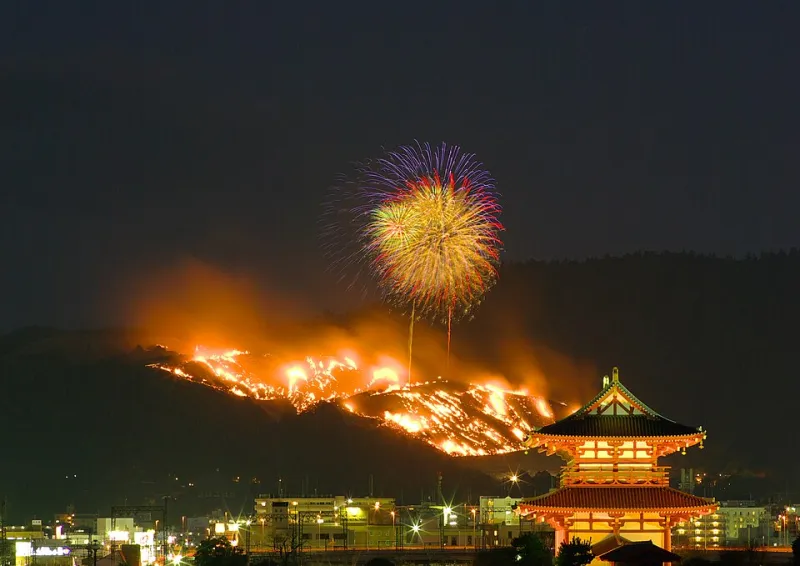
Photo: Christian Düringer, CC BY-SA 3.0, via Wikimedia Commons
Firework night has a lot of moving parts. There's the box of rockets, the playlist, the neighbours, the weather, and the small matter of getting everyone fed before the first fuse is lit. The last thing you want is to be rummaging through the bathroom cabinet for a plaster while someone holds a sparkler in the other hand. That's why the humble back-door safety shelf deserves a spot on your pre-show checklist.
This isn't about turning your garden into a field hospital. It's about a ten-minute check that lets you relax. A small, sensibly stocked box by the door means cuts, stings and the odd bit of debris are dealt with quickly, calmly and without a torch-lit hunt through the kitchen drawers.
Start with the boring bit: where it lives
Pick a spot that's easy for adults to reach and hard for children to treat as a toy box. A shelf in the utility room, the hall cupboard or the back-door area works well. A sealed plastic storage box is ideal: it keeps dust and damp out, and it's obvious what it's for. Label it clearly. Put a torch on top, not buried at the bottom.
Don't lock it. In a hurry, a key is just another thing to lose. Keep it high enough that little hands can't grab it, but low enough that a grown-up doesn't need a step ladder. If you're hosting in a garden, the point is simple: the kit should be closer than the bathroom cabinet.
The ten-minute kit list
You don't need a full ambulance load. You need the basics, in one place, in date. Start with cool running water. Know where the nearest tap is, and make sure it actually runs cool. For burns, the advice is cool running water for 20 minutes. Not ice, not butter, not toothpaste, not a cold beer. Cool water, and plenty of it.
Add a roll of cling film and a sterile non-adherent burns dressing. These are for covering a burn loosely after cooling, not for wrapping it tight like a Christmas present. A packet of plasters and a few small sterile dressings will handle minor cuts and scrapes. Disposable gloves are useful for clearing debris or helping someone without getting hands-on with anything mucky. A spare pair of safety glasses for whoever lights the fuse is a sensible touch, too.
A torch with fresh batteries, or a head torch, earns its place. So does a charged phone with 999 and NHS 111 saved. If you have a fire blanket, keep it near the kit, not under a pile of garden cushions. A clean towel is handy for drying hands and keeping the area calm. And a small bin bag for used dressings and debris saves a later argument with the bin.
The burn drill, in plain English
If someone gets a burn, stop the process. Move them away from the heat, remove clothing and jewellery near the burn unless it's stuck to the skin, and cool the area under cool running water for 20 minutes. Keep the rest of the person warm while you do it. Cover the burn loosely with cling film or a sterile non-adherent dressing. Don't burst blisters. Don't smother it in cream.
If the burn is larger than the person's hand, or it's on the face, hands, feet, joints or genitals, call 999. The same goes for deep burns, white or charred skin, electrical burns, chemical burns, or any burn on a child that you're worried about. If you're unsure, NHS 111 is there for advice. The key is not to play doctor for the sake of the party. Cool water first, proper help second.
Eyes, cuts and the 'it's probably nothing' moments
For an eye injury, don't rub it and don't try to remove anything that's stuck. Shield the eye with a clean dressing and get medical help. For a cut, put on gloves, clean it gently, and cover it with a plaster or dressing. For a splinter, leave the digging to someone with better light and a steadier hand. The kit is there to stop small things becoming a drama, not to turn you into a surgeon.
Briefing the adults without spooking the children
A two-minute huddle in the kitchen is enough. Show the grown-ups where the box lives. Nominate one person as the first-aid lead, so there's no chorus of 'I thought you had it'. Keep the language light. Call it the safety shelf or the back-door box. Children pick up on tone. If they ask, tell them it's the same sort of kit they have at school. No lectures, no doom, just a plan.
When to stop playing host and get help
There's a moment when the right move is to hand over the matches and focus on the person in front of you. If someone has difficulty breathing, chest pain, a serious eye injury, a large or deep burn, or has been knocked unconscious, call 999. If a firework has gone off close to someone's face or eyes, get medical advice straight away. Don't drive yourself to A&E if you're the injured one. And don't worry about the fireworks. They can wait. People can't.
Pack it away, note what's missing
After the last spark has faded, do a quick stock check. Replace anything used, bin anything past its date, and put the box back on its shelf. It takes five minutes. Then next time, whether it's a birthday, a bank holiday or another Bonfire Night, you're not starting from scratch.
Here at Fawkingood Fireworks, we're all for big bangs and safe celebrations. A back-door safety shelf won't make your display any less exciting. It just means you can watch the sky instead of the medicine cabinet.