The Two-Minute Huddle: A Host's Kitchen-Table Safety Briefing for Firework Night 2026
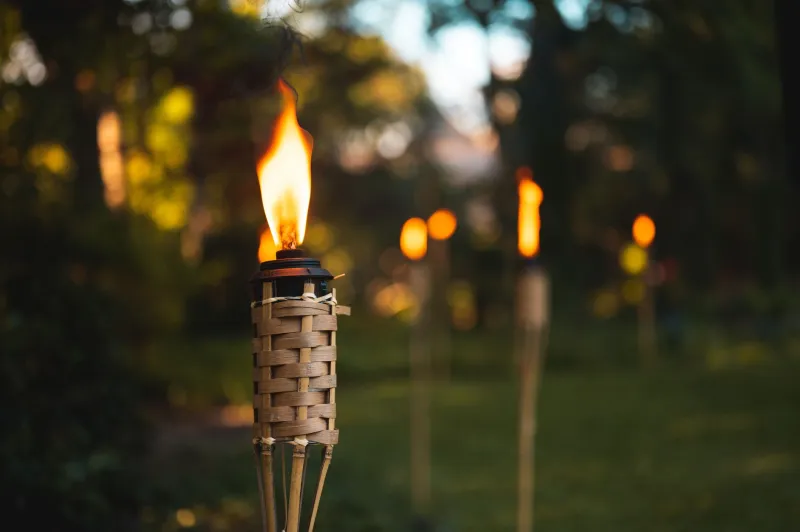
Firework night has a habit of starting gently and then turning into a small logistics operation. One person is hunting for the torch, someone else is asking where the bucket went, a child has wandered past the patio line, and the first box is already open. That is exactly why the best safety briefing happens before anyone steps outside.
At Fawkingood Fireworks, we are all for big bangs and safe celebrations. The kitchen-table huddle is not about sucking the fun out of the evening. It is a quick, confident ritual that tells your guests you have thought about the important bits, so they can relax and enjoy the show.
Why the kitchen table beats a shouted warning
A briefing delivered in the warm, before coats and torches, lands better than a mid-display yell of 'stand back'. People are listening, drinks are not yet flowing, and you have everyone in one place. It also gives you a natural moment to check the garden, the wind and the guest list without making it feel like a risk assessment.
Keep it to two minutes. You are not reading the entire firework code aloud; you are giving people the handful of things they actually need to know. Say them clearly, answer quick questions, then get on with the sausages.
The two-minute script
You can use your own words, but a simple structure helps. Try something like this:
'Right, two minutes, then we're on. Here's the plan.'
The edge of the party is here. Point to the line—patio edge, rope, chalk mark, whatever you are using. 'Nobody goes past this line except the lighting crew. Not for a better photo, not to rescue a football, not because the box looks interesting.'
The lighting crew is me and [name]. 'If you are not on that list, you are not on the lighter. We light one at a time, use a torch, and keep hair and loose sleeves clear.' If you have had a drink, you are not on lighting duty. That is not a moral judgement; it is just a sensible rule.
Children stay behind the line with an adult. 'Sparklers, if we use them, happen in the sparkler zone with a bucket and gloves, not while running about.' Pets go indoors before the first fuse—curtains closed, radio or TV on, and no repeated checking at the back door. Cats and dogs do not need to join the countdown.
If a firework does not go off, leave it alone. 'We wait at least twenty minutes, then soak it in the bucket. Nobody relights a dud, and nobody picks it up to see what happened.' The same goes for a firework that tips over or behaves oddly: stop, keep everyone back, and let the person in charge deal with it.
If the wind changes, we pause. 'I will check the wind before each batch. If it shifts, we stop, move the crowd further back or call it a night. If you hear me say hold, stop where you are and wait for instructions.' No heroics, no trying to finish the box because it is already open.
The safety kit lives here. Point out the bucket of water, the hose, the torch and the phone. 'If someone gets a burn, cool it under running water and get proper help if needed. If anything looks seriously wrong, call 999.'
Then finish with the line that matters: 'If in doubt, we don't light it.'
The bits people forget
A good huddle covers more than the fireworks themselves. Mention trip hazards—garden chairs, bike handles, trailing cables—and ask people to keep bags and coats out of the walking route. If you have a shed or garage near the display area, close it up and keep it locked. Fireworks and a curious guest should not be able to meet by accident.
It is also worth saying where the fireworks are being stored before the display: away from the house, away from cigarettes and lighters, and never in a pocket. In the UK, your local council and the fire service publish sensible guidance, and the label on the box is there for a reason. A quick 'we follow the label and the local rules' is enough for guests; you do not need to turn the kitchen into a courtroom.
One more thing: agree who is in charge. A firework night with two or three self-appointed experts can get messy. Pick one lead lighter, one backup, and one person who keeps an eye on the crowd. That way, if the wind picks up or a fuse fizzles, there is no chorus of conflicting advice.
Keep the tone light, not loose
You can deliver all of this with a cup of tea in your hand and a smile. The aim is confidence, not fear. Guests should come away thinking, 'Good, they've got this,' rather than 'Blimey, are we handling plutonium?'
A short briefing also gives you a chance to spot the guest who has had a few drinks and is eyeing up the lighter. Redirect them to the sausage rolls or the playlist. Responsible hosting is mostly about making the safe option the easy option.
The 30-second close
When the last firework has fizzled out, do not let everyone charge into the garden. Give it a minute, then check the display area with a torch. Soak spent fireworks and any duds in water, keep them away from children and pets, and store anything unlit properly for another day. If you are not sure how to dispose of them, check your local council's advice rather than chucking them in the bin and hoping for the best.
Then go back to the kitchen table, put the kettle on, and enjoy the fact that the only thing that went off with a bang was the display. Big bangs, safe celebrations—and a two-minute huddle that lets everyone relax.